
Hearing loss often happens so gradually that many people don’t realize how much they’ve missed until friends or family point it out. At Increase Hearing, we understand that taking the first step toward better hearing can feel intimidating, but recognizing the early signs can make a life-changing difference. If you’ve been wondering whether you need hearing aids, here are some key indicators to watch for—and how to take action.
One of the most frequent clues that your hearing is changing is difficulty understanding speech, especially in noisy places. You might hear people talking but struggle to catch every word. Conversations at restaurants, family gatherings, or even over the phone can start to feel frustrating. Another early sign is turning up the TV or radio volume higher than others prefer. If friends or loved ones often comment that your volume is “too loud,” it may be time to have your hearing checked.
You might also notice yourself asking people to repeat themselves more often than before, or feeling like others are mumbling. When this happens consistently, it’s often a sign that your ears are no longer picking up certain frequencies clearly.
If you find yourself withdrawing from social activities or avoiding group settings because communication feels tiring or embarrassing, it’s especially important to act soon. Untreated hearing loss can lead to isolation, stress, and even cognitive decline—but the good news is that modern hearing aids can help you stay connected and confident.
If any of these symptoms sound familiar, scheduling a professional hearing evaluation is the best next step. At Increase Hearing, our licensed specialists use advanced testing equipment to measure your hearing across a wide range of tones and volumes. The results provide a detailed picture of your hearing health and help determine whether hearing aids could improve your quality of life.
Even if you’re not sure your hearing has changed, a baseline test is valuable. Hearing loss often occurs gradually, so early detection allows for better treatment options and easier adjustment if aids are recommended later.
Many people wait an average of seven years from the time they first notice hearing loss to when they finally get help. During that time, the brain adapts to reduced sound input, making it harder to adjust when hearing aids are finally introduced. Early use of hearing technology not only restores sound clarity but also helps your brain stay attuned to the nuances of speech and environmental sounds.
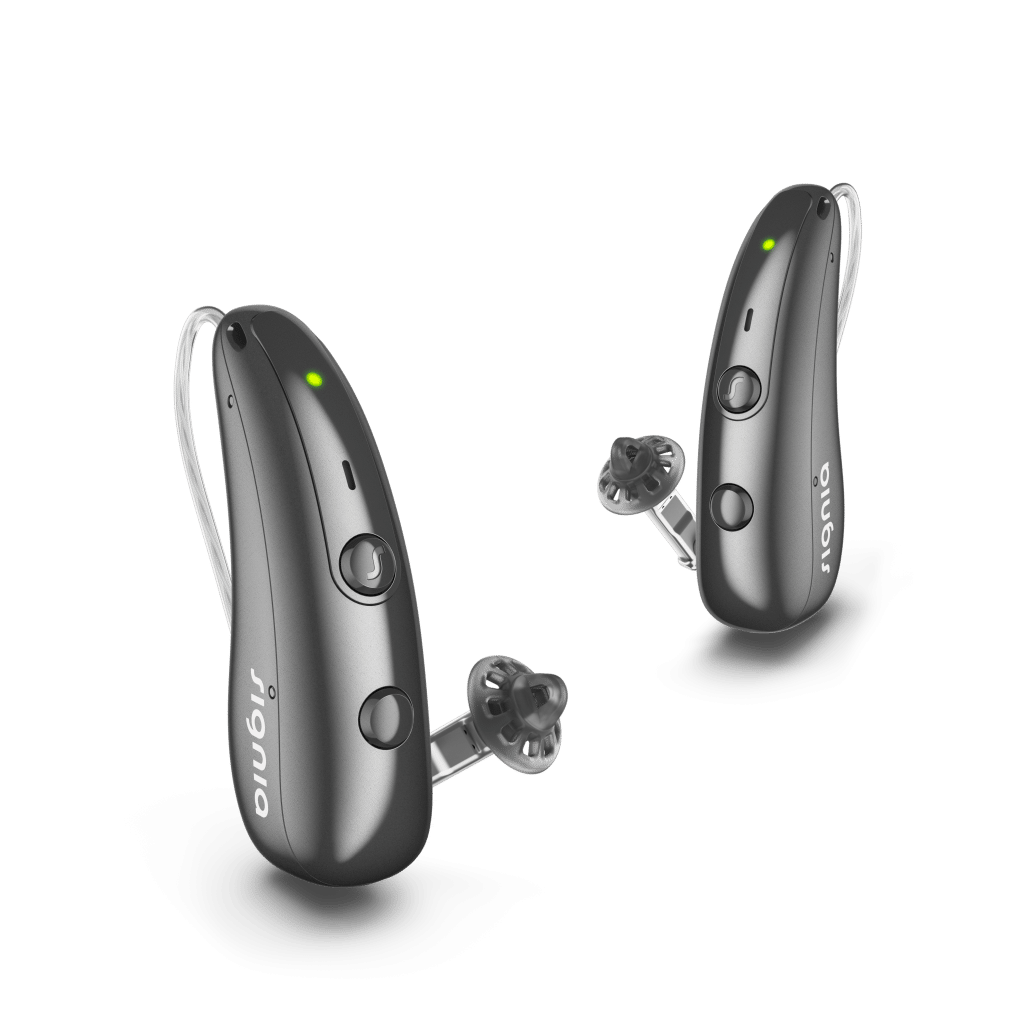
Modern hearing aids are smaller, smarter, and more comfortable than ever before. They automatically adjust to different environments, connect with smartphones, and provide crystal-clear sound without the bulk or feedback associated with older models.
If you’ve experienced any of these signs—or if loved ones have noticed changes in your hearing—there’s no reason to wait. Schedule a hearing test with Increase Hearing today. Our compassionate team will guide you through the process, explain your results, and help you explore the best solutions for your lifestyle and budget.
Rediscovering the sounds of laughter, conversation, and music can truly transform your daily life. With the right hearing aids, you can stay active, engaged, and confident in every situation.
Contact Increase Hearing to book your consultation and start your journey toward better hearing today.